
Tool comparison

EditablePPT vs Canva: which is easier for turning images back into PPT?

You have a slide that's just an image, and you need to change a few words — but nothing is clickable. Canva and EditablePPT can both break the image apart, but they take different routes. Here's who each one is for, based on real use cases.

Full disclosure: we make EditablePPT, so we have a stake in this comparison. We've tried to be clear about strengths and weaknesses on both sides. Competitor details come from official sources, checked 2026-09-29.

The 4 things we look at

People care about different things, so there's no single best tool for everyone. Decide which of these matters most to you, then read on.

  1. 1. Can you actually edit it?

    Is the text in real text boxes, and can images be moved on their own — or is it one flat picture pasted on the slide?

  2. 2. How faithful is the text?

    Do font size, color, and position match the original, and does small, dense text come through correctly?

  3. 3. Where do you start?

    Do you already have finished slides, or only source material you need to turn into a deck?

  4. 4. How fast can you get going?

    How much do you need to learn, and how many steps until you have a usable PPT file?

Tool by tool

EditablePPT

Turns the slide images and PDFs you already have back into editable PowerPoint.

How it works
Upload an image or PDF, review the result online in a minute or two, fix text or move images, then download the PPTX.
Best for
Anyone with screenshots, image-only decks, or exported PDFs who needs to change a few words or swap an image.
Honest weakness
It currently handles PNG and JPG images (up to 8 MB each) and PDFs. Brush or outlined display lettering becomes a regular font, and dense small text is occasionally misread — give it a quick look against the original before downloading. It won't create content from scratch.
Choose it when
You just want your image or PDF back as a PPTX quickly, so you can fix the text and carry on in PowerPoint or Keynote.
Canva

An all-in-one online design platform. Its Magic Layers feature splits flat images into editable text and elements.

How it works
Add your image to Canva, use Magic Layers to separate text and elements, keep designing in the Canva editor, and export when needed.
Best for
People who already use Canva and have plenty of design work still ahead.
Honest weakness
If all you want is to turn an image back into PowerPoint, you go through Canva's design workflow first and export at the end, which adds steps. Results vary by image, so try it with your own.
Choose it when
Your team already collaborates in Canva, or after converting you'll rework the layout, swap visuals, or also make posters and social graphics.

The differences at a glance

CompareEditablePPTCanva
Starting pointImages or PDFs you already haveUpload an image, or start from a template
What you getA downloadable PPTX, with online editing before downloadA Canva design you can keep editing in Canva or export to PowerPoint and other formats
EditabilityRecognized text becomes text boxes; illustrations become separately movable imagesMagic Layers splits flat images into editable text and elements
Chinese text & display letteringFaithful body text is a priority; display lettering currently becomes a regular fontFonts and colors are adjustable in the editor; how well Chinese text comes through depends on your image
Learning curveJust upload — no new design tool to learnVery full-featured; the editor takes some getting used to at first

A real example: a busy Chinese-language poster

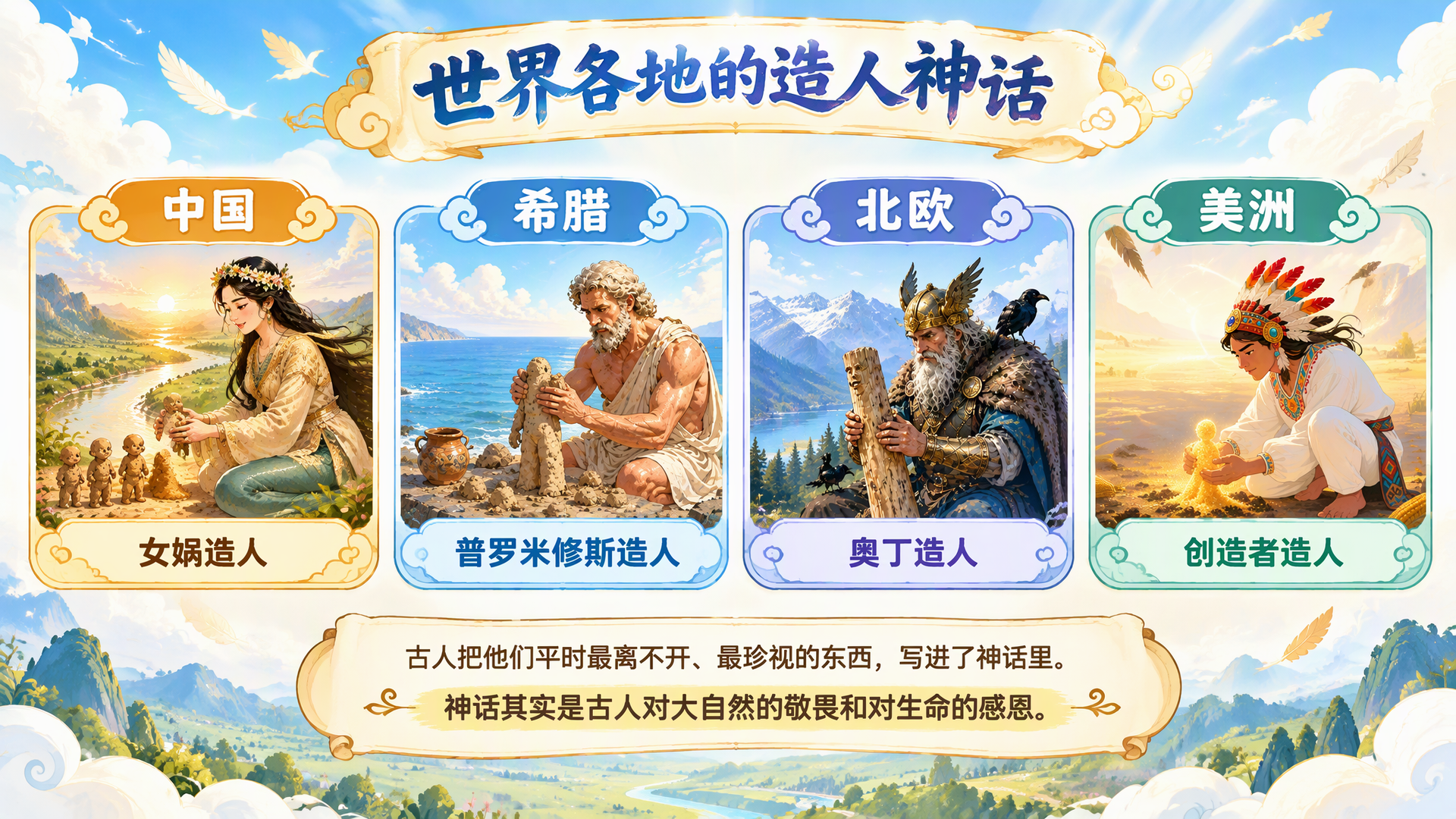
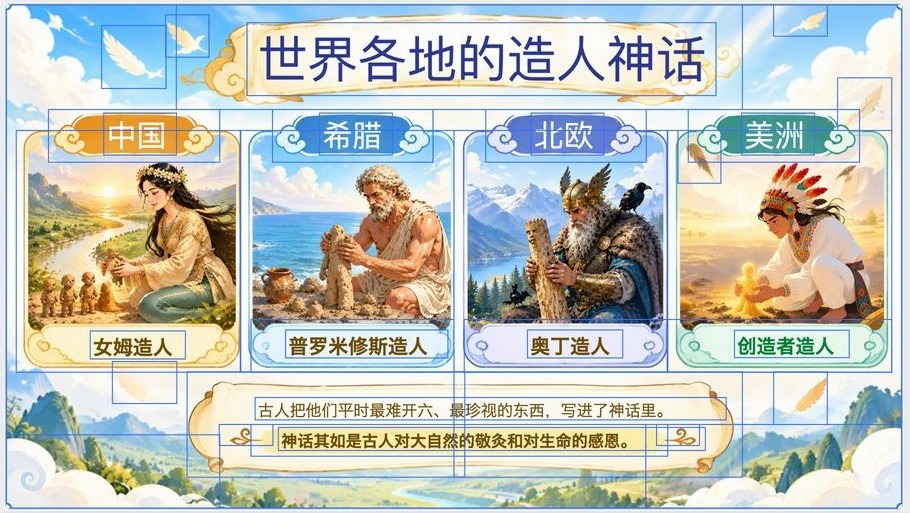
This 16:9 image has four character illustrations, a brush-lettered Chinese title, and small body text. On the left is the original; on the right is the EditablePPT result opened in the editor with everything selected (⌘A), with no manual fixes. Every blue box is a layer you can edit on its own.

Mythology-themed original: four character illustrations for China, Greece, the Nordics, and the Americas, under a brush-lettered Chinese title
Original image
The converted result selected in the EditablePPT editor: title, region names, card labels and body text are separate text boxes; illustrations and decorations are separate images, each with a blue selection box
EditablePPT editor: all 38 layers selected (11 text boxes, 27 images), no manual edits
  • All 11 pieces of text — title, region names, card labels and both body lines — are text boxes you can retype, recolor and resize.
  • The four illustrations, card frames, feathers and scroll ornaments became 27 separate images you can select, move and resize individually.
  • Not perfect: the brush-lettered title became a regular font, and a few characters in the text were misread. Because they're text boxes, each takes seconds to fix in the editor, but we think you should know up front.

Decide in 30 seconds

  • I have one image-only slide and need to change a few words

    Use EditablePPT. Upload, edit, and download the PPTX.

  • I'm redesigning the whole look, plus posters and social graphics

    Use Canva. Its design tools and templates go much further.

  • I need both

    Use EditablePPT to turn the old deck into an editable PPTX, then keep designing in Canva or PowerPoint.

Try it with an image

Frequently asked questions

Can Canva also split images into editable content?

Yes — that's what Magic Layers does. The difference is the workflow: in Canva you split an image and keep designing inside the platform; EditablePPT does one thing, turning images or PDFs back into an editable PPTX.

Which one converts better?

Honestly, it depends on your image. For text-heavy decks and reports, run the same image through both and try editing a few words in each result.

If I use EditablePPT, do I still need Canva?

Depends on what you need. For editing content, EditablePPT is enough; for brand-new designs, Canva is still a great choice.

References

Competitor features are as described in official sources, checked 2026-09-29, and may have changed since. This page does not imply any partnership or endorsement.